Robot News and Knowledge

Service Robots

What is Scribing Robot and How it Reduces Layout Work -

Scribing robot for marking layout lines in construction projects

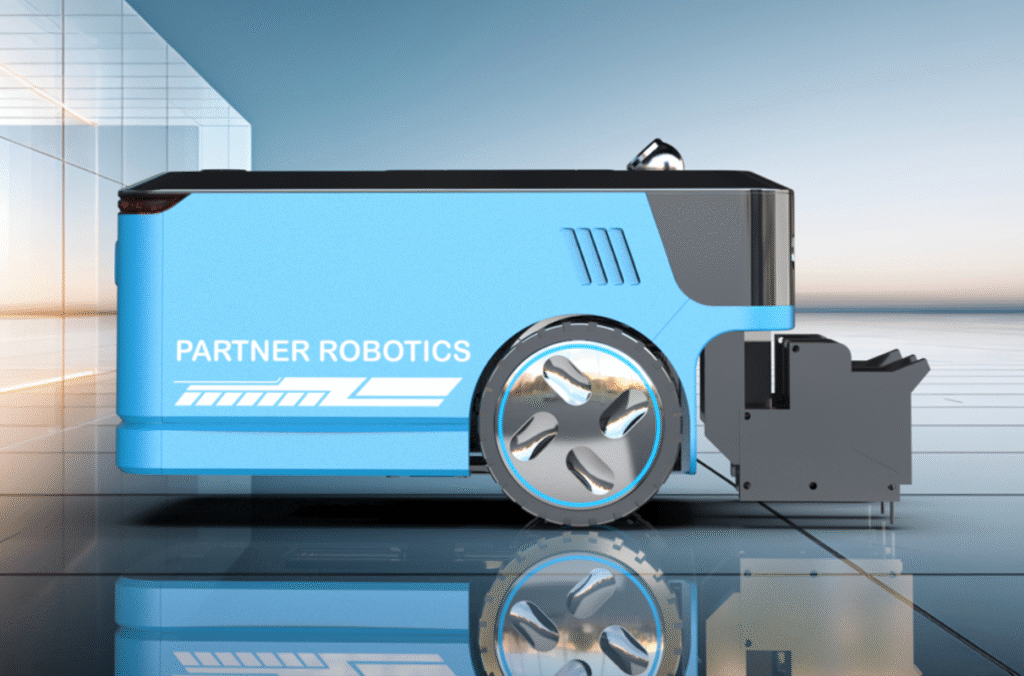
Scribing robots are designed to automate one of construction’s most precise and repetitive tasks — the layout or marking process. In traditional building projects, workers manually mark floors, walls, and ceilings to indicate where partitions, openings, or utilities should be installed. This step is critical, as every trade depends on these markings for accurate alignment. However, manual scribing is time-consuming and prone to human error. By contrast, scribing robots use advanced sensors, digital layout data, and precision control systems to mark construction surfaces automatically. They can complete layout work much faster and with a higher level of consistency. As construction sites become increasingly digitized, scribing robots are helping bridge the […] Read More

Top Service Robots – October 2025 -

RobotMagazine.Com Top Domestic Robots List - October 2025

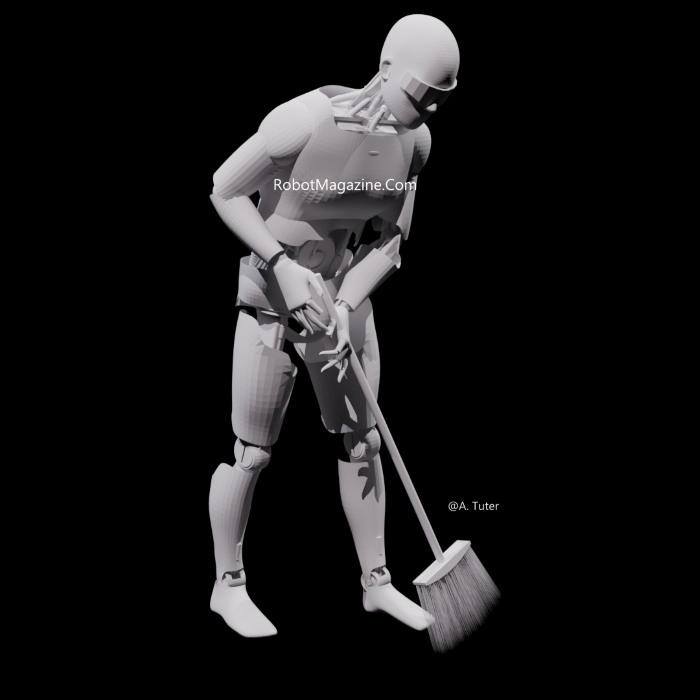
Domestic robots take over more and more tasks everyday. Below you can find a top robot list we have made for service robots, which means domestic (home and consumer use), and retail robots (the ones used in commercial, medical settings). You can find the general description of the methodology and the disclaimer below the table. Rank Robot Name Company Country 1 Roomba iRobot Corporation USA 2 Roborock Beijing Roborock Technology Co., Ltd. China 3 Deebot ECOVACS Group China 4 Automower Husqvarna Group Sweden 5 Dolphin Maytronics Israel 6 Litter-Robot Whisker USA 7 Aibo Sony Corporation Japan 8 Nuro Nuro, Inc. USA 9 Pepper Aldebaran Robotics France/Japan 10 LG CLOi LG […] Read More

How Does Robot Vacuum Navigation Work -

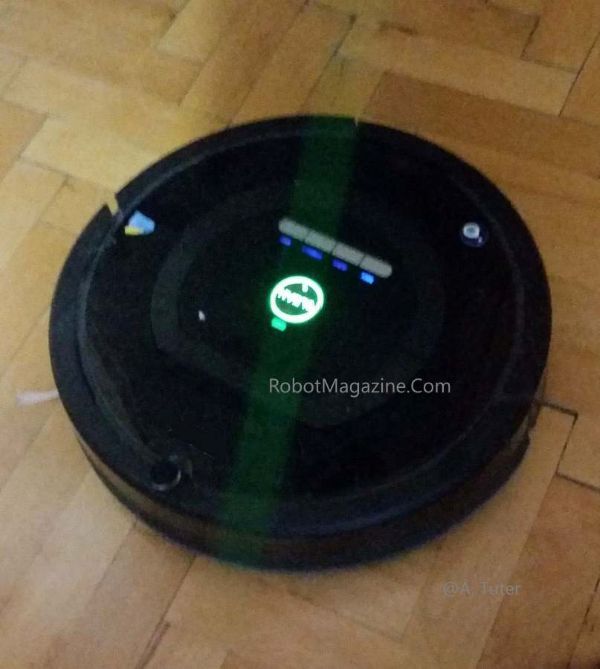
Robot vacuums are among the most widely adopted forms of domestic robotics. They autonomously navigate their environment while simultaneously performing mapping and cleaning tasks. In this article, we will examine the underlying mechanisms that enable their operation. Navigation can be implemented using relatively simple methods or through more advanced, sensor-driven approaches. The simple method basically involves the robot randomly bumping into obstacles (using a contact switch), sensing a cliff (with a downward-pointing infrared sensor), or detecting a large object (with an infrared sensor) and then changing direction. The robot does not build a map of the environment in this method, but over time, these random movements—combined with wall following and […] Read More