
Planetary gears—also known as epicyclic gear systems—are a compact and highly efficient way of transmitting motion and torque. They are widely used in everything from automotive transmissions to robotics and heavy machinery.
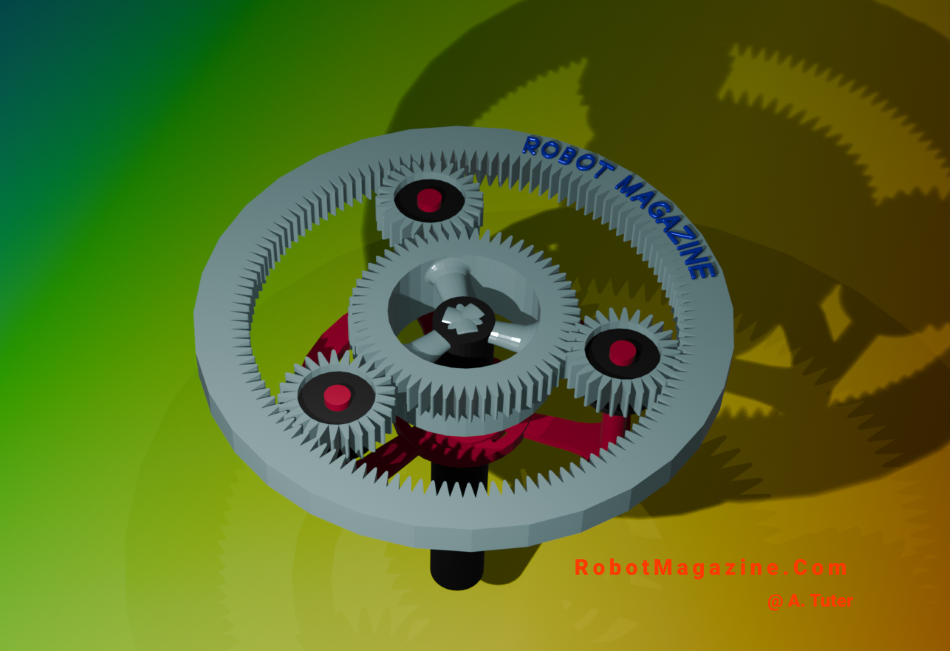
At their core, planetary gear systems consist of three main components:
Sun gear: the central gear
Planet gears: multiple gears that rotate around the sun gear
Ring gear: an outer gear with internal teeth that encloses the system
The planet gears are mounted on a carrier, which holds them in position while allowing them to rotate and orbit simultaneously. This unique arrangement is what gives planetary systems their versatility.
How Do They Work?
What makes planetary gears special is that different components can act as the input, output, or remain fixed. By changing which part is held stationary and which is driven, the system can achieve different speed ratios and torque outputs.
For example:
* Fixing the ring gear and driving the sun gear results in speed reduction and torque increase
* Fixing the sun gear and driving the ring gear produces a different ratio
* Locking components together can even create a direct 1:1 drive
This flexibility allows a single planetary gear set to perform multiple functions—something that would otherwise require several separate gear stages.
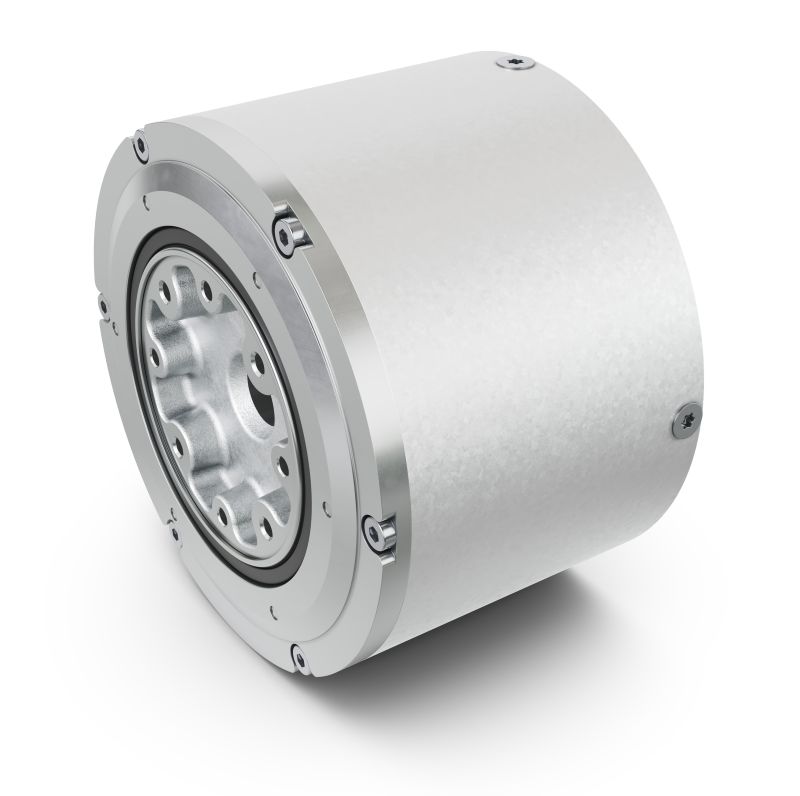
The photo below shows an actual planetary gear, submitted by Schaeffler.
Why Are They So Widely Used?
Planetary gear systems offer several key advantages:
Compact design: High power transmission in a small volume
Load distribution: Multiple planet gears share the load, reducing stress on individual teeth
High efficiency: Smooth power flow with minimal losses
Coaxial input/output: Ideal for applications where alignment matters
Because of these benefits, they are commonly found in automatic transmissions, electric tools, wind turbines, and precision robotic systems.
From an engineering standpoint, planetary gears are a great example of how geometry and kinematics come together to create elegant mechanical solutions. Their ability to combine multiple motion paths into a single, compact system makes them especially valuable in modern design—where space, efficiency, and reliability are critical.
Post By: A. Tuter
Terms of Use: Unauthorized copying is prohibited; we maintain dated records to document original publication. Content may contain inaccuracies. All trademarks mentioned belong to their respective owners, and we are not affiliated with them, and no endorsement is implied. Certain images and/or text in this post are used with permission from the right holders. See our Terms Page